HTTP Messages
HTTP Messages는 클라이언트와 서버 사이에서 데이터가 교환되는 방식입니다. HTTP Messages에는 다음과 같은 두 가지 유형이 있습니다.
1. 요청(Requests)
{
  "object": "block",
  "id": "c2014c59-f347-4423-b7d9-5fcb3dce6924",
  "parent": {
    "type": "page_id",
    "page_id": "390765fe-8b67-8169-bad2-e4069869a147"
  },
  "created_time": "2026-07-01T14:50:00.000Z",
  "last_edited_time": "2026-07-01T14:50:00.000Z",
  "created_by": {
    "object": "user",
    "id": "2ecd872b-594c-81f7-92e3-000210a8d473"
  },
  "last_edited_by": {
    "object": "user",
    "id": "2ecd872b-594c-81f7-92e3-000210a8d473"
  },
  "has_children": false,
  "in_trash": false,
  "type": "heading_4",
  "heading_4": {
    "rich_text": [
      {
        "type": "text",
        "text": {
          "content": "Start line",
          "link": null
        },
        "annotations": {
          "bold": false,
          "italic": false,
          "strikethrough": false,
          "underline": false,
          "code": false,
          "color": "default"
        },
        "plain_text": "Start line",
        "href": null
      }
    ],
    "is_toggleable": false,
    "color": "default"
  },
  "archived": false
}
HTTP Requests는 클라이언트가 서버에게 보내는 메시지입니다.
Start line에는 세 가지 요소가 있습니다.
POST / HTTP 1.1
GET /background.png HTTP/1.0
HEAD /test.html?query=alibaba HTTP/1.1
OPTIONS /anypage.html HTTP/1.0
GET http://developer.mozilla.org/en-US/docs/Web/HTTP/Messages HTTP/1.1
CONNECT developer.mozilla.org:80 HTTP/1.1
OPTIONS * HTTP/1.1
HTTP 버전에 따라 HTTP message의 구조가 달라집니다. 따라서 start line에 HTTP 버전을 함께 입력합니다.
{
  "object": "block",
  "id": "adf15aa1-ea59-4f0c-a047-4c24e2beb00b",
  "parent": {
    "type": "page_id",
    "page_id": "390765fe-8b67-8169-bad2-e4069869a147"
  },
  "created_time": "2026-07-01T14:50:00.000Z",
  "last_edited_time": "2026-07-01T14:50:00.000Z",
  "created_by": {
    "object": "user",
    "id": "2ecd872b-594c-81f7-92e3-000210a8d473"
  },
  "last_edited_by": {
    "object": "user",
    "id": "2ecd872b-594c-81f7-92e3-000210a8d473"
  },
  "has_children": false,
  "in_trash": false,
  "type": "heading_4",
  "heading_4": {
    "rich_text": [
      {
        "type": "text",
        "text": {
          "content": "Headers",
          "link": null
        },
        "annotations": {
          "bold": false,
          "italic": false,
          "strikethrough": false,
          "underline": false,
          "code": false,
          "color": "default"
        },
        "plain_text": "Headers",
        "href": null
      }
    ],
    "is_toggleable": false,
    "color": "default"
  },
  "archived": false
}
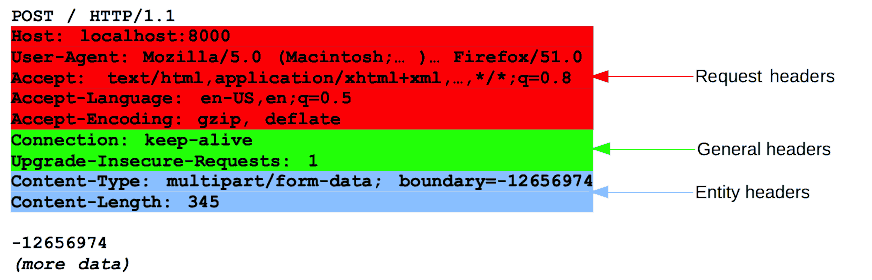
요청의 Headers는 기본 구조를 따릅니다. 헤더 이름(대소문자 구분이 없는 문자열), 콜론( : ), 값을 입력합니다. 값은 헤더에 따라 다릅니다. 여러 종류의 헤더가 있고, 다음과 같이 그룹을 나눌 수 있습니다.
{
  "object": "block",
  "id": "40d7504a-9dcd-4c7c-b554-1ffc66f82aca",
  "parent": {
    "type": "page_id",
    "page_id": "390765fe-8b67-8169-bad2-e4069869a147"
  },
  "created_time": "2026-07-01T14:50:00.000Z",
  "last_edited_time": "2026-07-01T14:50:00.000Z",
  "created_by": {
    "object": "user",
    "id": "2ecd872b-594c-81f7-92e3-000210a8d473"
  },
  "last_edited_by": {
    "object": "user",
    "id": "2ecd872b-594c-81f7-92e3-000210a8d473"
  },
  "has_children": false,
  "in_trash": false,
  "type": "heading_4",
  "heading_4": {
    "rich_text": [
      {
        "type": "text",
        "text": {
          "content": "Body",
          "link": null
        },
        "annotations": {
          "bold": false,
          "italic": false,
          "strikethrough": false,
          "underline": false,
          "code": false,
          "color": "default"
        },
        "plain_text": "Body",
        "href": null
      }
    ],
    "is_toggleable": false,
    "color": "default"
  },
  "archived": false
}
요청의 본문은 HTTP messages 구조의 마지막에 위치합니다. 모든 요청에 body가 필요하지는 않습니다. GET, HEAD, DELETE, OPTIONS처럼 서버에 리소스를 요청하는 경우에는 본문이 필요하지 않습니다. POST나 PUT과 같은 일부 요청은 데이터를 업데이트하기 위해 사용합니다. body는 다음과 같이 두 종류로 나눌 수 있습니다.
2. 응답(Responses)
HTTP Responses는 서버가 클라이언트에게 보내는 메시지입니다. 응답의 첫 줄을 Status line이라고 부르며, 다음의 정보를 포함합니다.
{
  "object": "block",
  "id": "b28cec03-2ca6-4827-b940-f3d0c9fc5cff",
  "parent": {
    "type": "page_id",
    "page_id": "390765fe-8b67-8169-bad2-e4069869a147"
  },
  "created_time": "2026-07-01T14:50:00.000Z",
  "last_edited_time": "2026-07-01T14:50:00.000Z",
  "created_by": {
    "object": "user",
    "id": "2ecd872b-594c-81f7-92e3-000210a8d473"
  },
  "last_edited_by": {
    "object": "user",
    "id": "2ecd872b-594c-81f7-92e3-000210a8d473"
  },
  "has_children": false,
  "in_trash": false,
  "type": "heading_4",
  "heading_4": {
    "rich_text": [
      {
        "type": "text",
        "text": {
          "content": "Headers",
          "link": null
        },
        "annotations": {
          "bold": false,
          "italic": false,
          "strikethrough": false,
          "underline": false,
          "code": false,
          "color": "default"
        },
        "plain_text": "Headers",
        "href": null
      }
    ],
    "is_toggleable": false,
    "color": "default"
  },
  "archived": false
}
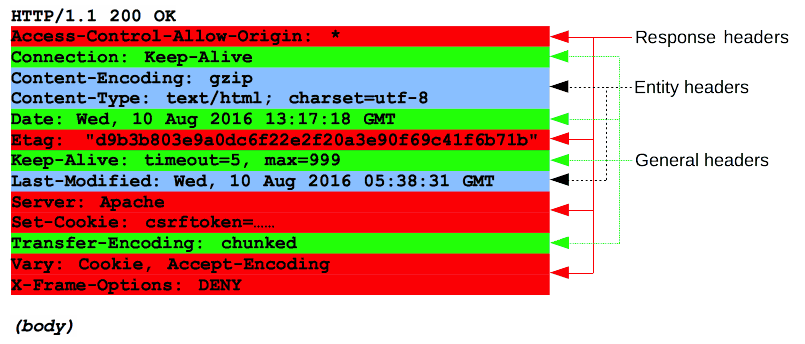
응답에 들어가는 HTTP headers는 요청 헤더와 동일한 구조를 가지고 있습니다. 대소문자 구분 없는 문자열, 콜론(:), 값을 입력합니다. 값은 헤더에 따라 다릅니다. 요청의 헤더와 마찬가지로 몇 그룹으로 나눌 수 있습니다.
{
  "object": "block",
  "id": "ad0c9459-0b26-43b8-b604-69b1d2108d24",
  "parent": {
    "type": "page_id",
    "page_id": "390765fe-8b67-8169-bad2-e4069869a147"
  },
  "created_time": "2026-07-01T14:50:00.000Z",
  "last_edited_time": "2026-07-01T14:50:00.000Z",
  "created_by": {
    "object": "user",
    "id": "2ecd872b-594c-81f7-92e3-000210a8d473"
  },
  "last_edited_by": {
    "object": "user",
    "id": "2ecd872b-594c-81f7-92e3-000210a8d473"
  },
  "has_children": false,
  "in_trash": false,
  "type": "heading_4",
  "heading_4": {
    "rich_text": [
      {
        "type": "text",
        "text": {
          "content": "Body",
          "link": null
        },
        "annotations": {
          "bold": false,
          "italic": false,
          "strikethrough": false,
          "underline": false,
          "code": false,
          "color": "default"
        },
        "plain_text": "Body",
        "href": null
      }
    ],
    "is_toggleable": false,
    "color": "default"
  },
  "archived": false
}
응답의 본문은 HTTP messages 구조의 마지막에 위치합니다. 모든 응답에 body가 필요하지는 않습니다. 201, 204와 같은 상태 코드를 가지는 응답에는 본문이 필요하지 않습니다. 응답의 body는 다음과 같이 두 종류로 나눌 수 있습니다.
길이가 알려진 단일-리소스 본문은 두 개의 헤더(Content-Type, Content-Length)로 정의합니다.
길이를 모르는 단일 파일로 구성된 단일-리소스 본문은 Transfer-Encoding이 chunked 로 설정되어 있으며, 파일은 chunk로 나뉘어 인코딩되어 있습니다.
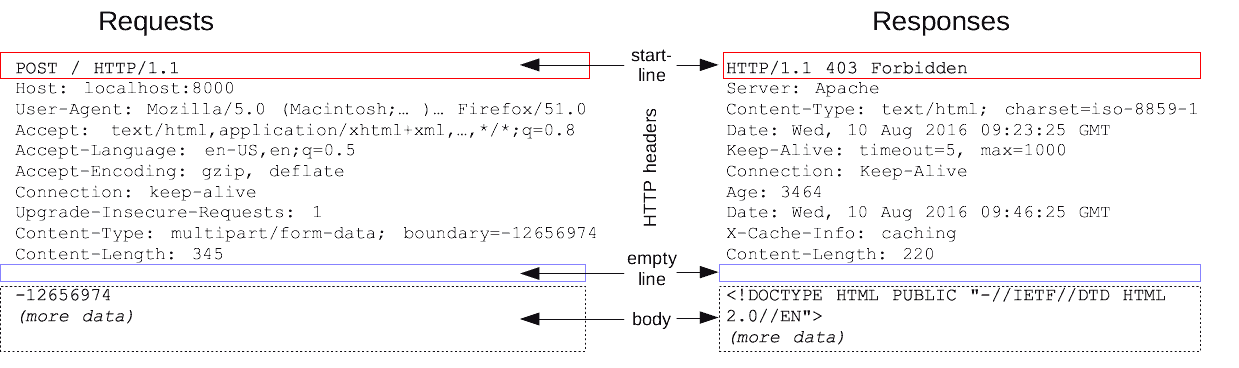
요청(Requests)과 응답(Responses)은 다음과 같은 유사한 구조를 가집니다.
이 중 start line과 HTTP headers를 묶어 요청이나 응답의 헤드(head)라고 하고, payload는 body라고 이야기합니다
Stateless
Stateless는 말 그대로 상태를 가지지 않는다는 뜻입니다. HTTP로 클라이언트와 서버가 통신을 주고받는 과정에서, HTTP가 클라이언트나 서버의 상태를 확인하지 않습니다. 사용자는 쇼핑몰에 로그인하거나 상품을 클릭해서 상세 화면으로 이동하고, 상품을 카트에 담거나 로그아웃할 수도 있습니다. 클라이언트에서 발생한 이런 모든 상태를 HTTP 통신이 추적하지 않습니다. 만약 쇼핑몰에서 카트에 담기 버튼을 눌렀을 때, 카트에 담긴 상품 정보(상태)를 저장해둬야 합니다. 그러나 HTTP는 통신 규약일 뿐이므로, 상태를 저장하지 않습니다. 따라서 필요에 따라 다른 방법(쿠키-세션, API 등)을 통해 상태를 확인할 수 있습니다. 이 방법은 섹션 3에서 보다 자세하게 다룹니다.
지금은 Stateless(무상태성)가 HTTP의 큰 특징이라고 기억하는 것으로 충분합니다.